
Construction projects, whether small-scale developments or massive infrastructure builds, depend on one essential category of equipment: cranes. These machines make it possible to lift, move, and position heavy materials safely and efficiently, which directly impacts productivity, timelines, and overall project success.
In this comprehensive guide, we break down everything you need to know about construction cranes, including the different types, when to use each one, key selection factors, and safety best practices. Whether you’re planning a high-rise development or working on rugged terrain, this guide will help you identify the right crane for your construction needs.
What Is a Construction Crane?
A construction crane is a machine designed to lift, lower, and transport heavy materials horizontally across a job site. Cranes use advanced mechanical systems, typically hydraulic, cable, or lattice boom structures, to achieve high lifting capacities and precise load placement.
From building multi-storey residential structures to road construction, steel erection, and industrial installations, cranes play a vital role in nearly every modern construction environment.
Major Types of Construction Cranes
Below are the most commonly used cranes in construction, along with their advantages and ideal applications.
1. Mobile Cranes
Mobile cranes are among the most versatile machines in construction. Unlike fixed cranes, they can be quickly deployed, driven on public roads, and operated across multiple job sites.
Key Benefits
- Highly mobile
- Quick setup time
- Ideal for short-term or multi-location projects
- Excellent for lifting in tight or difficult access spaces
Best Use Cases
- Urban construction
- Infrastructure projects
- Machinery installation
- Residential and commercial builds
Featured Option:
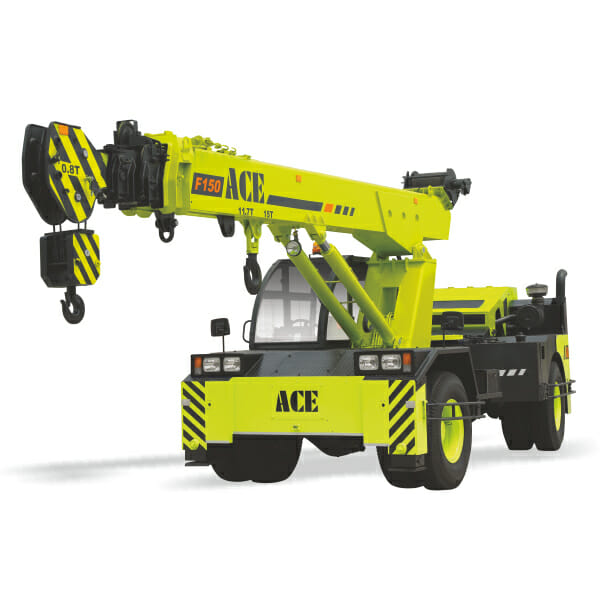
Cargen supplies ACE Mobile Cranes, known for reliability, powerful lifting capacity, and ease of operation.
Explore here
2. Tower Cranes
Tower cranes are the giants of construction machinery. They are tall, fixed to the ground (or attached to the structure itself), and offer unmatched height and lifting reach.
Key Benefits
- Exceptional vertical lifting capability
- Ideal for high-rise construction
- Small ground footprint
- High load capacity at extreme heights
Best Use Cases
- Apartment towers
- Office skyscrapers
- Large commercial complexes
Due to their height advantage, they remain the preferred choice for long-term vertical construction.
3. Crawler Cranes
Crawler cranes use a tracked (crawler) undercarriage, making them perfect for sites with uneven ground. They offer excellent stability and lifting power without needing outriggers.
Key Benefits
- Excellent stability on rough or soft terrain
- High lifting capacities
- Can move with loads (in controlled scenarios)
Best Use Cases
- Road and bridge construction
- Oil & gas sites
- Industrial construction
- Remote or undeveloped job locations
4. Rough Terrain & All-Terrain Cranes
These crane types are engineered for challenging job site conditions, combining strong mobility with efficient lifting abilities.
Rough Terrain Cranes
- Designed exclusively for off-road environments
- Single-engine machines with heavy-duty tires
- Ideal for mining, oilfields, and rugged worksites
All-Terrain Cranes
- Can travel both on highways and off-road
- Perfect combination of speed, mobility, and capacity
Best Use Cases
- Infrastructure construction
- Energy sector
- Dam or reservoir projects
- Projects requiring frequent movement
5. Specialized Construction Cranes
Depending on the project, specialized cranes may be necessary:
Gantry Cranes
Common in shipyards and factories; ideal for heavy industrial lifting.
Mini Cranes / Spider Cranes
Compact cranes used in confined spaces such as malls, rooftops, or interior installations.
Jib Cranes
Often used indoors for manufacturing and warehouse material handling.
These speciality cranes fill gaps that conventional cranes cannot handle effectively.
Mobile Crane vs Tower Crane: Which One Should You Choose?
Choosing between a mobile crane and tower crane is one of the most common decisions in construction planning. Here’s how they compare:
| Feature | Mobile Crane | Tower Crane |
|---|---|---|
| Mobility | High | Fixed |
| Setup Time | Very fast | Requires assembly |
| Reach/Height | Limited | Extremely high |
| Cost | Lower for short-term | More cost-effective long-term |
| Ideal Project Type | Multi-location, short-term lifting | High-rise or long-duration projects |
Quick Recommendation
- Choose a mobile crane if you need flexibility, fast deployment, or operate across multiple sites.
- Choose a tower crane for vertical construction requiring long-term height and stability.
How to Choose the Best Crane for Your Construction Project
Selecting the right crane involves analyzing your project requirements. Consider:
1. Load Weight & Type
Heavier loads require cranes with higher lifting capacities.
2. Lifting Height & Radius
High-rise projects require tower cranes; shorter-height but heavy loads suit mobile or crawler cranes.
3. Job Site Terrain
- Uneven ground → Crawler or rough terrain cranes
- Urban environments → Mobile or tower cranes
4. Project Duration
- Short-term jobs → Mobile cranes
- Long-term installations → Tower cranes
5. Budget
The total cost depends on crane type, rental duration, transport, and setup.
ACE & Develon: Reliable Construction Machinery for Every Project
Car and general partners with two globally trusted brands ACE and Develon to supply high-performance construction equipment across Kenya and East Africa.
ACE Cranes
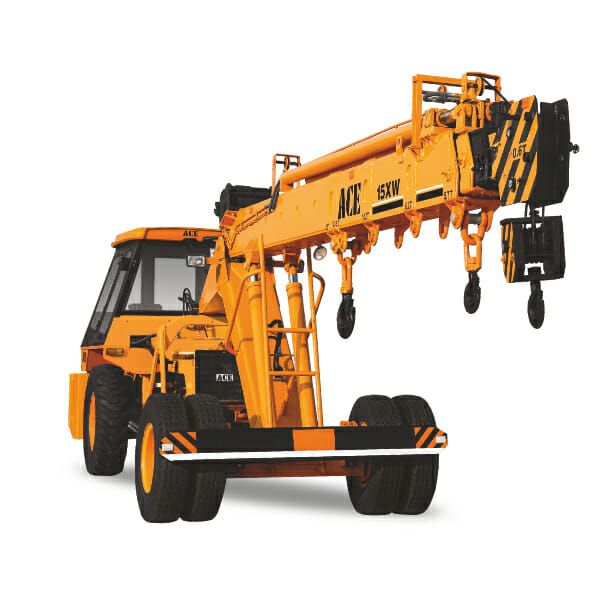
ACE is one of the leading crane manufacturers, offering:
- Mobile cranes
- Pick-and-carry cranes
- Truck-mounted cranes
- Material handling solutions
Develon Heavy Equipment
While Develon specializes in excavators, wheel loaders, and articulated dump trucks, these machines complement crane operations perfectly for large-scale construction.
Together, ACE and Develon provide full-spectrum support for construction, infrastructure, logistics, and heavy lifting industries.
Crane Safety Best Practices
Safety is critical when operating cranes. Consider these essential guidelines:
1. Conduct Daily Inspections
Check hydraulics, cables, hooks, outriggers, tracks, and lifting mechanisms.
2. Ensure Operator Certification
Only qualified and trained operators should handle crane machinery.
3. Stay Within Load Limits
Never exceed rated load capacity.
4. Use Proper Signaling & Communication
Clear communication between the operator and signaler is crucial.
5. Monitor Nearby Hazards
Watch for power lines, unstable surfaces, or weather issues like high winds.
Following these steps significantly reduces risks and ensures a safer, more efficient job site.
Conclusion
Whether you’re constructing a high-rise tower, working on rugged terrain, or handling complex lifting tasks, choosing the right crane can significantly impact project efficiency, safety, and cost. Understanding the different types of construction cranes and when to use each helps ensure your project runs smoothly.
Cargen is proud to provide ACE cranes and Develon machinery, delivering world-class lifting and construction solutions across East Africa.
If you’re unsure which crane suits your project, our team is ready to help you make the right choice.
Frequently Asked Questions
Mobile cranes are the most widely used due to their versatility and ease of deployment.
Tower cranes are ideal for vertical construction projects.
Mobile cranes are portable and quick to deploy, while tower cranes are fixed structures used for tall buildings.
Your choice depends on load weight, reach, terrain, and project duration.